The Importance of Arborists: Comprehensive Services for Peak Tree Health and Security.
Arborists serve a crucial function in preserving the well-being and security of trees. Their specialized knowledge covers aspects such as tree biology, managing pests, and structural integrity. Consistent upkeep is essential for mitigating risks and encouraging development. Yet, many property owners overlook the signs of tree distress that could cause major problems. Understanding what arborists offer can greatly impact the longevity and beauty of landscapes. Which essential services they provide?
Understanding the Role of Arborists
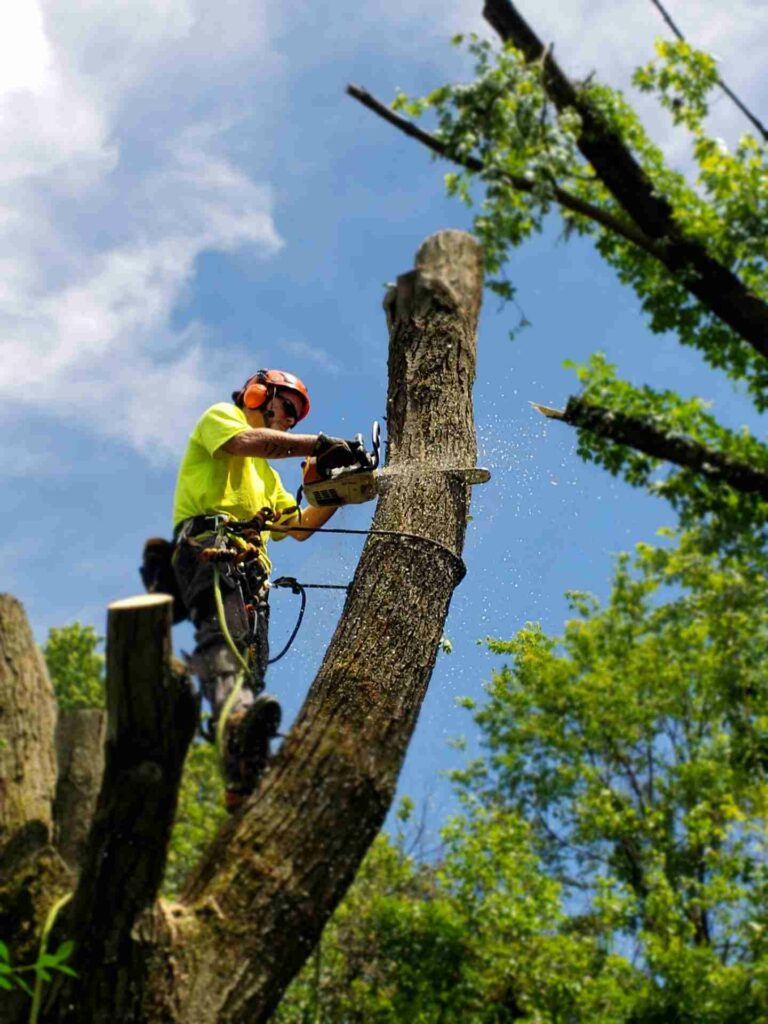
Even though many admire the beauty of trees, not many realize the essential part that arborists play in ensuring their well-being. Arborists are highly trained individuals skilled in the knowledge and practice of tree care. They hold profound insight of tree biology, ecology, and the different elements that impact how trees grow and stay upright. Tree specialists evaluate trees for indications of illness, pest infestations, and structural weaknesses, making certain trees flourish in their environments. They also promote the ecological benefits of trees, such as carbon sequestration and wildlife habitat, emphasizing their importance in urban planning and environmental conservation. By using proven techniques in tree care, arborists help improve the overall health of urban forests and landscapes. Their knowledge is crucial in educating the public about proper tree management, encouraging deeper admiration for trees and the vital part they play in the ecosystem.
Essential Services Provided by Arborists
Arborists offer a wide range of necessary services that help maintain the well-being and security of trees. A key offering is tree pruning, which means taking off dead or diseased branches to encourage development and prevent hazards. They carry out tree assessments, evaluating the condition and structural integrity of trees, pinpointing possible dangers, and recommending appropriate actions. Furthermore, they offer tree installation, ensuring that trees are placed in appropriate spots with perfect ground quality to thrive
An important service is pest and disease management, where arborists determine the issues and carry out treatment strategies to protect the trees (Florence Arborist). In addition, many arborists handle tree felling when necessary, securely removing hazardous trees to reduce dangers to structures and individuals. To conclude, they offer consulting, educating clients on practices for tree care that encourage sound development. Taken together, these services are vital for upkeeping rural and urban settings
The Benefits of Consistent Tree Care
Regular tree maintenance offers numerous benefits that boost the trees' well-being and the safety of the environment around them. By implementing consistent care, such as thinning and pruning, trees can develop more strongly, facilitating improved light penetration and circulation of air. This encourages strong structural development and reduces the risk of disease and pest infestations. Furthermore, regular maintenance aids in the removal of dangerous or dead limbs, lessening the possibility of property damage or personal injury during periods of strong wind.
Furthermore, well-maintained trees contribute positively to the visual beauty of landscapes, boosting property worth. They also promote biodiversity by creating homes for different species. Engaging professional arborists guarantees that maintenance practices are performed correctly, utilizing their expertise to evaluate tree vitality and use suitable treatments. Overall, regular maintenance promotes a safer environment while boosting the lifespan and health of trees, aiding the community and the ecosystem.
Recognizing Signs of Tree Distress
How can one identify when a tree is stressed? Recognizing signs of tree distress is crucial for maintaining tree health and safety. Main indicators are leaves that are yellow or wilted, which may point to inadequate hydration or a shortage of nutrients. Furthermore, a large number of falling leaves can be a sign of stress, especially in the growing months. Changes in bark texture, such as flaking or splitting, often point to hidden issues, including pest infestations or disease. An excessive number of dead branches, particularly if they are scattered broadly, indicates a loss of vigor. Furthermore, roots that are not secure, shown by roots that are exposed or leaning, may compromise a tree’s structural integrity. Lastly, the presence of fungi or mushrooms near the trunk's base can signal decay. Early recognition of these indicators, tree owners can act decisively to lessen the dangers and promote the best tree health, securing the safety and lifespan of their trees.
Finding the Best Arborist for What You Need
When selecting an arborist, what factors should one consider to guarantee the best fit for their tree care needs? Initially, qualifications are vital; a certified arborist should possess the requisite training and credentials in tree care. Experience also plays a significant role; those with a proven track record are likely to provide better service. Additionally, looking at reviews and asking for references helps shed light into an arborist’s reliability and professionalism.
It is also important to consider the scope of services is the range of services offered. Be it disease management, emergency response, or pruning, the chosen professional needs to handle to specific needs. Furthermore, you should ask about insurance and safety practices to ensure security against potential liabilities. view details Lastly, receiving quotes from different providers allows you to compare cost and value, enabling informed decision-making. Through a thorough assessment of these elements, individuals can choose an arborist who is suitable for their demands and promotes the health and safety of their trees.
FAQs
How Frequently Should Tree Care Services Be Scheduled?
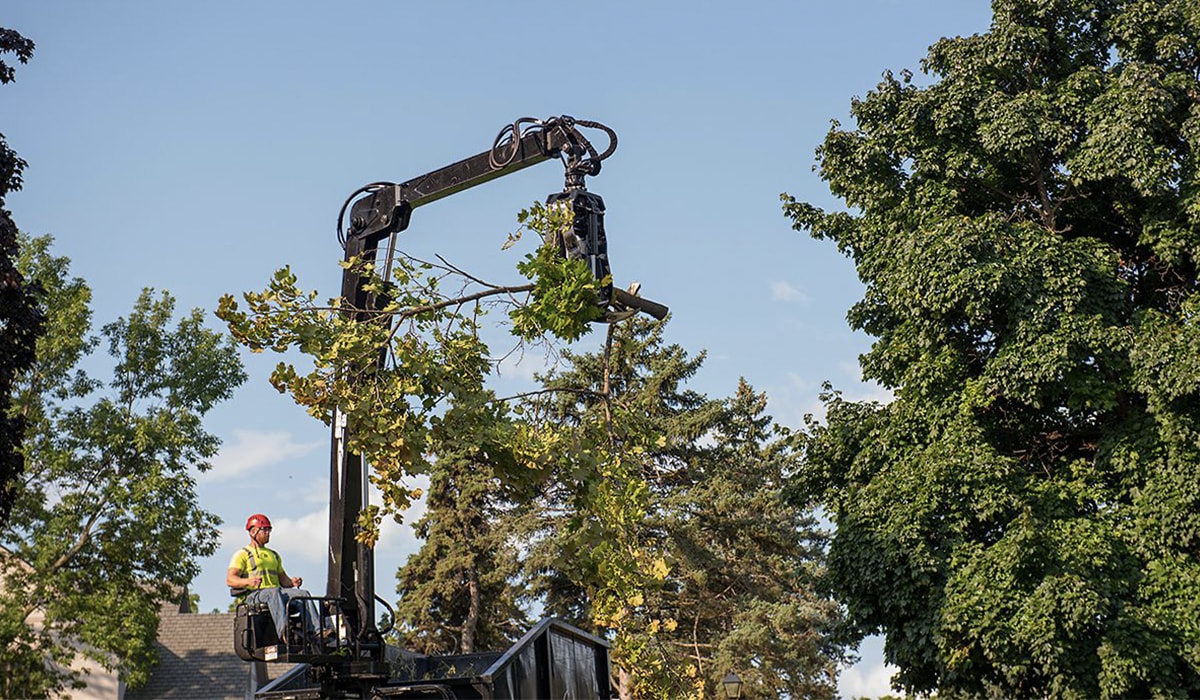
Scheduling tree maintenance is recommended at least once a year for most trees (Florence Arborist). Yet, the exact needs might change based on the age, species, and climate where the tree is located, making it necessary to modify the maintenance schedule
Which Credentials Should I Seek in an Arborist?
In your search for an arborist, one should look for certifications such as certification from the ISA (International Society of Arboriculture), TCIA (Tree Care Industry Association) accreditation, or state-specific licenses that indicate proficiency in tree care and safety practices.
Do Arborists Offer Tree Planting Services?
Indeed, certified tree experts can aid in planting trees. Arborists offer knowledge regarding the selection of fitting species, making certain planting methods are correct, and advising on site conditions, leading to robust growth and improving the environmental equilibrium of the landscape.
In What Ways Does the Weather Influence The Management of Trees?
Weather conditions greatly influence tree maintenance. Extreme temperatures, the amount of rainfall, and wind patterns influence how trees grow, health, and vulnerability to pests, requiring tailored care strategies so that trees prosper under diverse environmental circumstances.
How Much Does It Typically Cost for Arborist Services?
The standard price for arborist services generally costs $300 to $1,500, influenced by elements like geographic area, tree size, and the complexity of the services required for tree maintenance and health assessments.